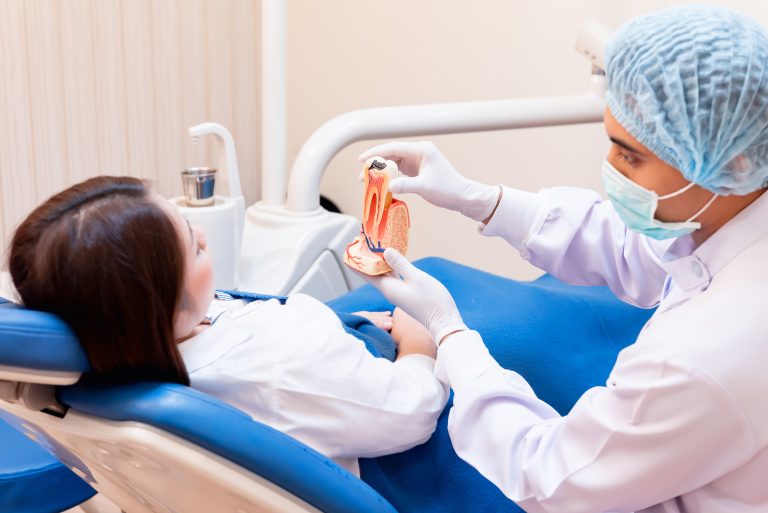
We understand that losing teeth, whether due to age, injury, or disease, can significantly impact quality of life, affecting everything from your diet to your self-confidence.
If you or your loved ones are considering tooth replacement options such as Dentures or Dental Implants– it is important to understand how each solution works. This article breaks down the pros and cons of both Dentures and Implants.
What are Dentures?
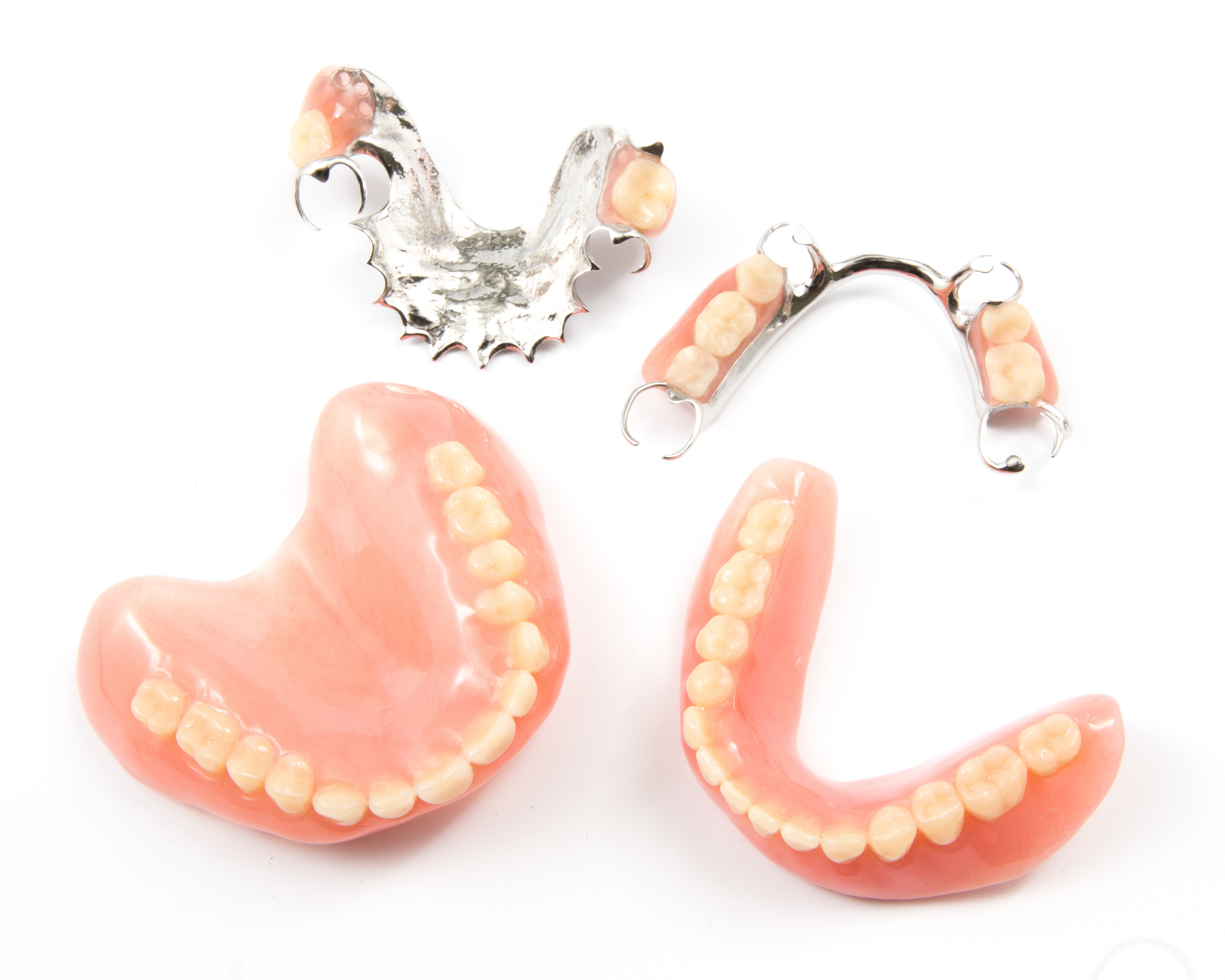
Dentures are removable prosthetic appliances used to replace missing teeth and the surrounding gum tissue. They are specifically customised to fit your mouth and are removable. There are two types: partial dentures and full dentures, which can help restore your smile and make them look like your natural teeth.
What are Dental Implants?
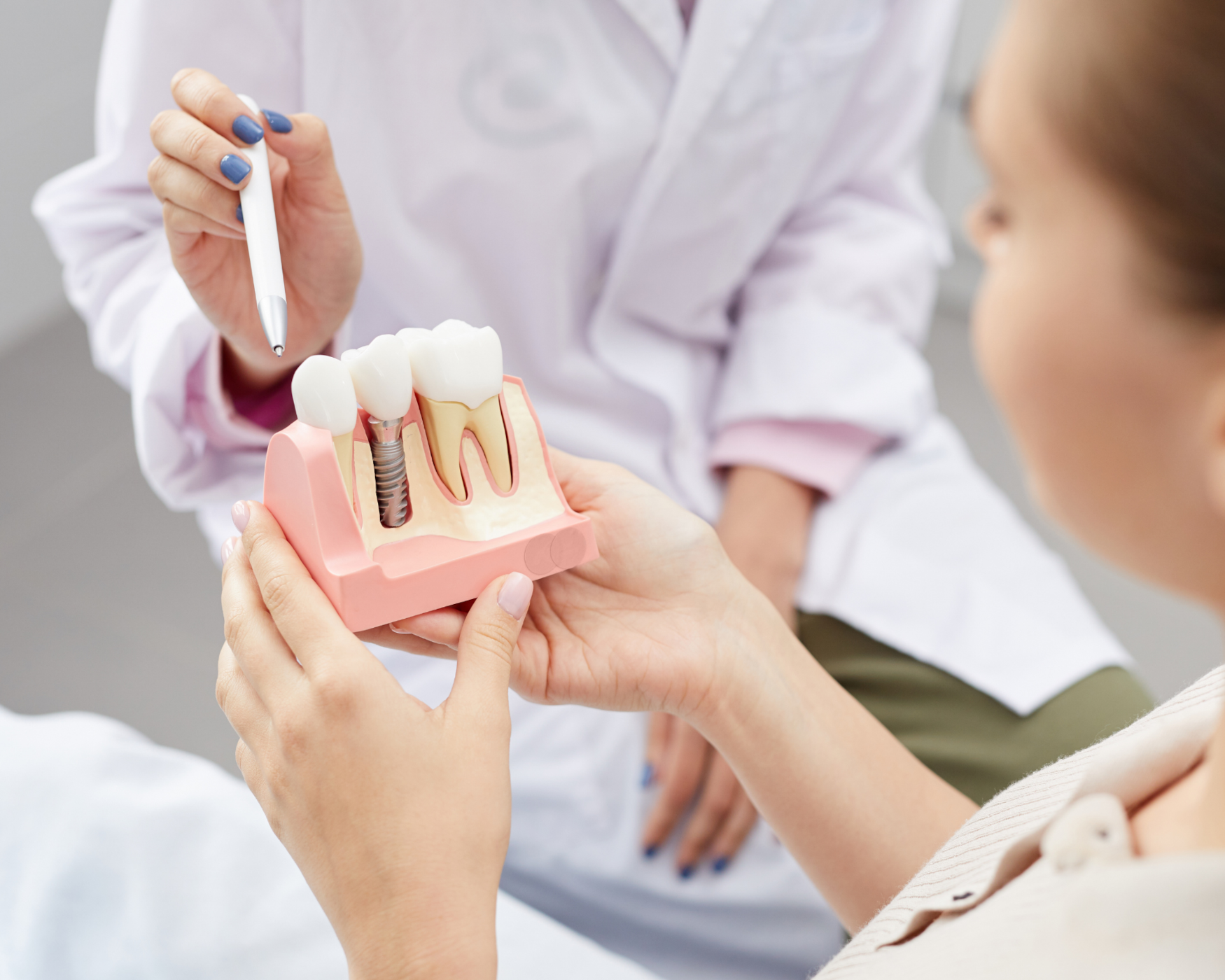
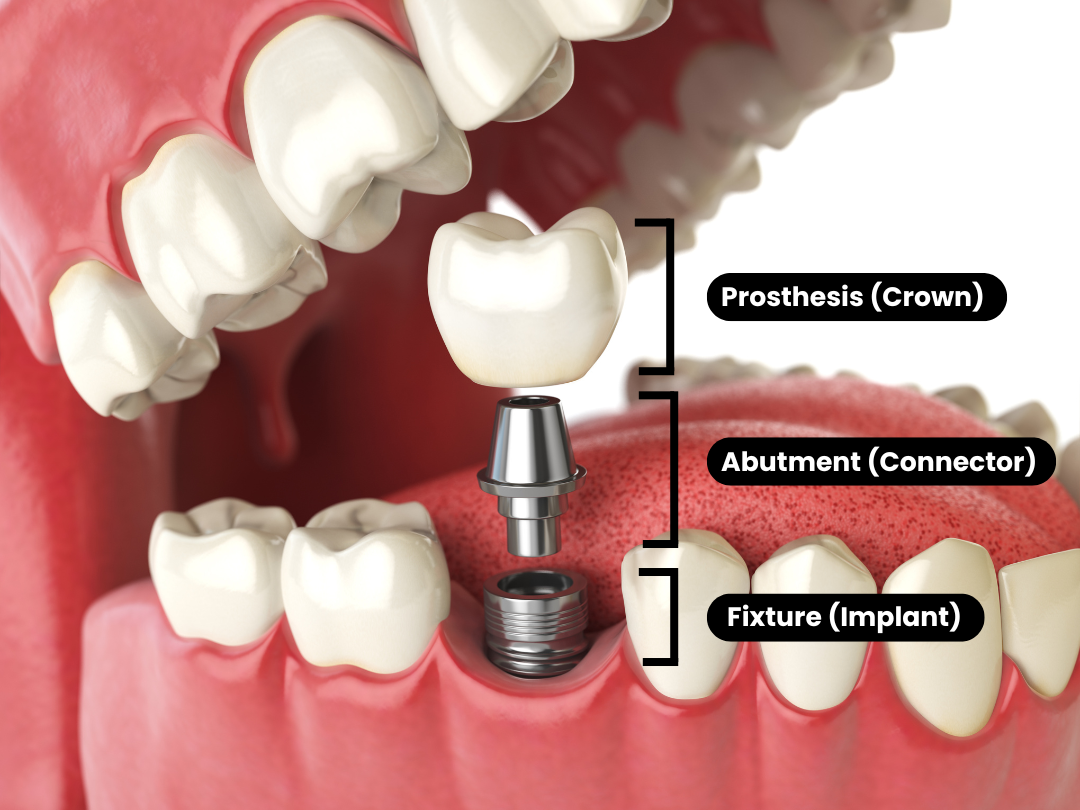
A dental implant is a long-term replacement for a lost tooth. It is a small, biocompatible post (usually made of titanium) that is surgically anchored into the jawbone. It is considered a permanent solution used to support a single crown, a bridge, or an entire arch of replacement teeth.
5 Pros and Cons between Dentures and Implants
1. Affordability and Cost
Dentures
The initial cost for dentures is generally lower, making it an affordable tooth replacement option that is an accessible solution for many individuals on a budget.
Implant
It may cost more than partial or complete dentures; however, they are considered more durable and cost-effective in the long run, as they often do not require the ongoing replacements and adjustments needed by dentures.
For Singaporean citizens or Permanent Residents, they may be able to claim a portion of the expenses from their Medisave Account. Please consult us for more information.
2. Procedure: Non-invasive vs invasive
Dentures
Getting fitted for dentures is non-invasive and does not require oral surgery.
Implant
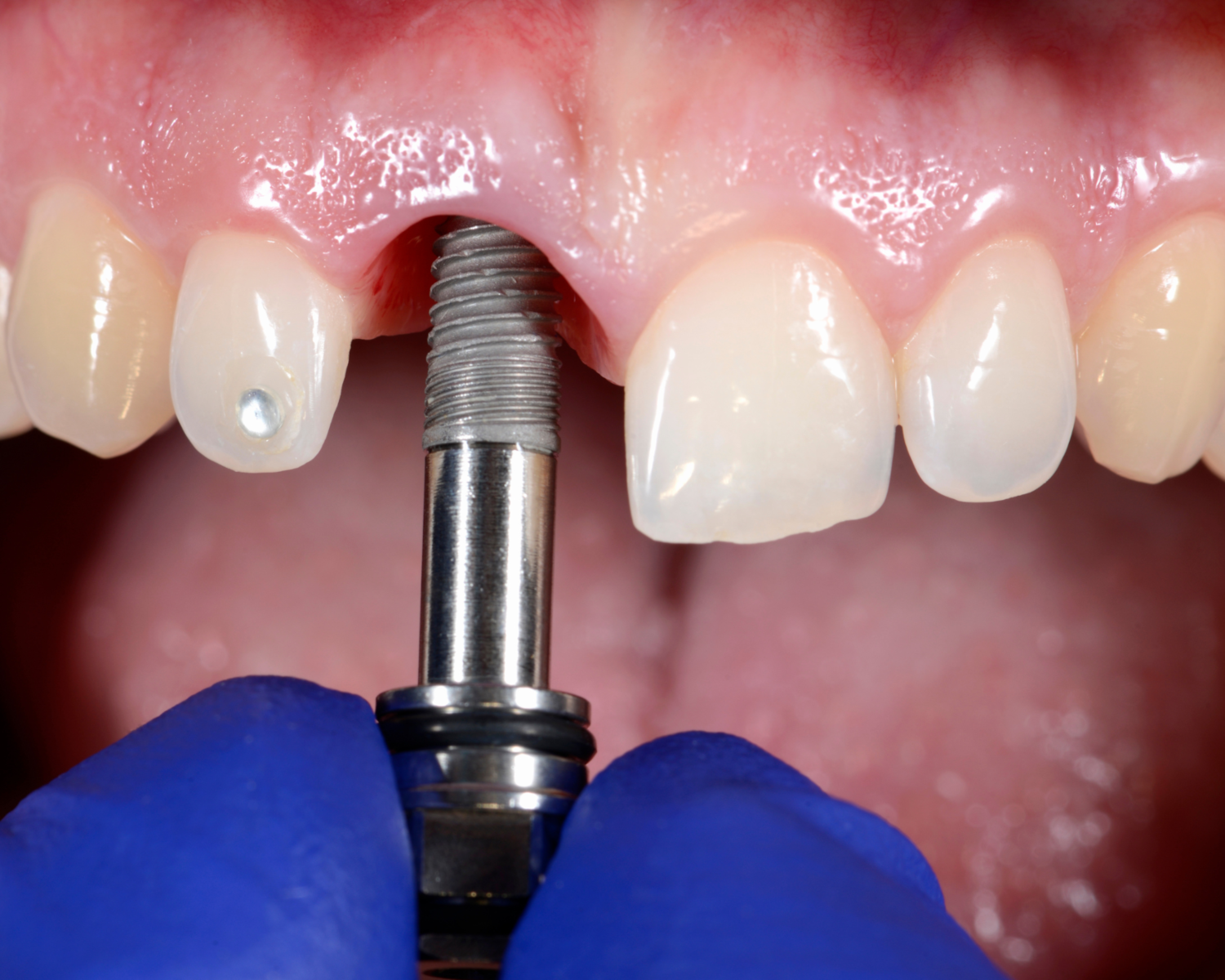
A minor oral surgery is required to place the implant into your jawbone. Typically, it can take two to three months to heal before affixing the attachment (abutment) with a crown.
Due to increased demand and advancements in the field, success rates are now highly reliable. For instance, an article featuring National Dental Centre Singapore (NDCS) reports successful outcomes, confirming success rates of approximately 95% for lower jaw implants and 90% for the upper jaw.
3. Bone Densities and Preservation
Dentures
Suitable for most patients, as dentures do not require a specific amount of supporting jawbone. Though it might sometimes lead to gradual bone loss (resorption) over time, as they do not stimulate the jawbone like natural tooth roots.
Implant
Implants help to prevent bone loss (deterioration) and maintain the natural contours of the face by stimulating the jawbone. However, a certain volume and density of jawbone are initially required for implant placement.
4. Stability
Dentures
As dentures are removable, they can sometimes slip or wobble, especially when speaking or eating. This instability can be managed by applying adhesive cream to the dentures, which can be found easily at pharmacies.
Implant
As the implant fuses directly with the jawbone, it provides a secure and stable foundation, which can help to improve one’s chewing ability as well as dental aesthetics, as shown in a study.
5. Maintenance and Longevity
Dentures
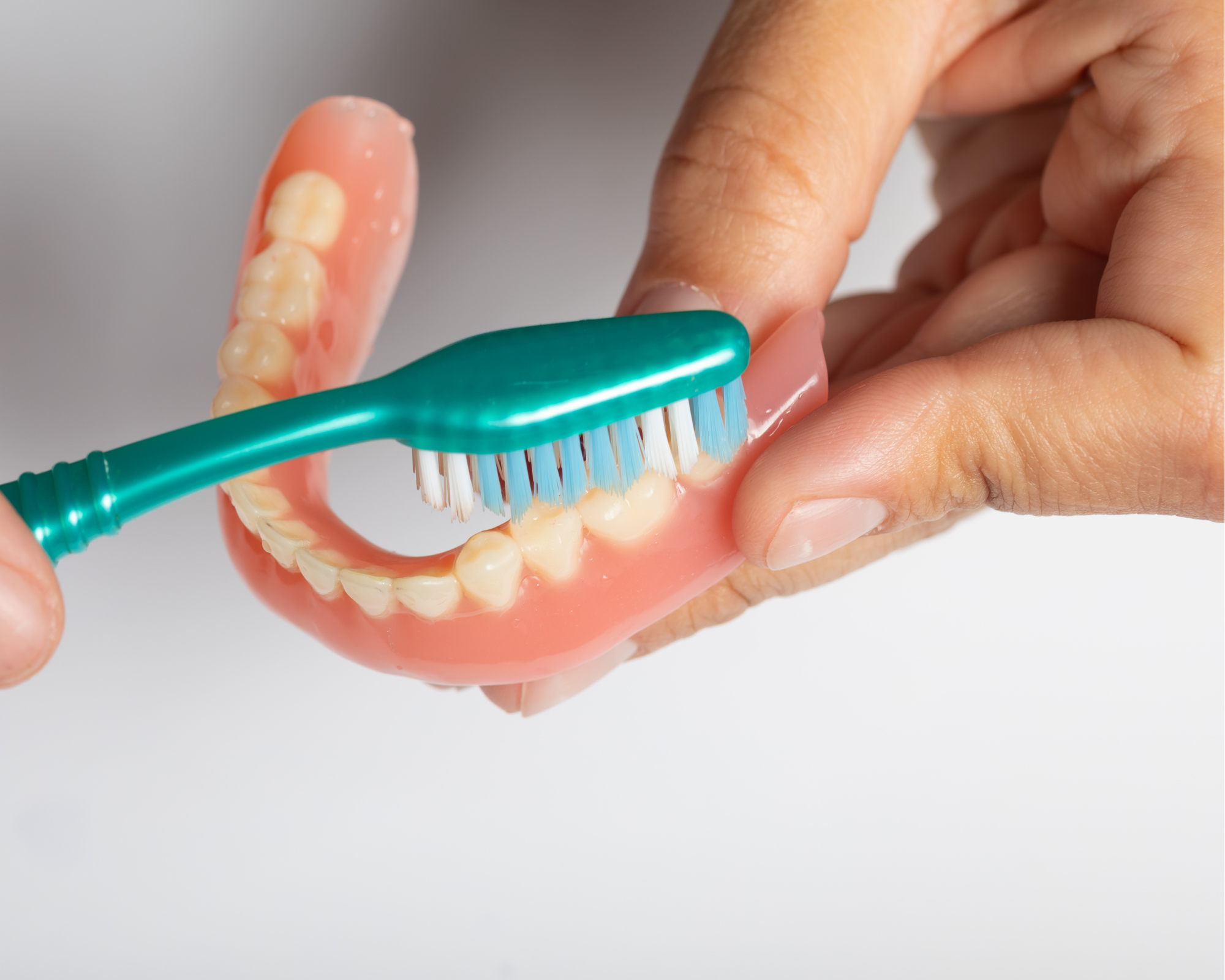
Must be removed nightly for cleaning and soaking in cleansing solution. They also typically require adjustments, relief, or reline from time to time due to changes in the underlying gum and bone, according to SingHealth.
Implant
Dental implants are cared for just like natural teeth with regular brushing and flossing. With proper care and good oral hygiene, the implant can last a lifetime, offering decades of reliable function.

Summary
The choice between tooth replacement options hinges on a trade-off between initial cost and long-term health benefits.
Dentures are the most accessible option, offering the lowest upfront cost and requiring a non-surgical procedure. Though they may lead to gradual bone loss over time.
Dental implants require a higher initial investment and minor surgery, and not every patient is eligible for them. However, they can help to prevent bone deterioration by fusing directly with the jawbone. This secure integration provides lifelong stability, restoring one’s chewing function, making implants the preferred long-term solution.
If you are missing multiple teeth and prefer a permanent solution, you can consider All-On-X implant (see eligibility here).
Let us help you rebuild that confidence. Consult our experienced doctors today!
Disclaimer: The above information is for educational purposes only and is not intended to replace professional dental advice. Please consult a licensed dentist for personalised guidance.